

The fifth Iwa monthly update
[The Incremental Approach]
September 2026
*For mobile users: This post is best viewed in Desktop mode*
In this Monthly Update:
Sunk Cost Fallacy
Walking before running & defining “project hopping”
Systems Thinking & “The Incremental Approach to Game Design”
TL;DR:
Simply because someone has worked on a project for X amount of time doesn’t mean that the actual value of the project has directly scaled; sometimes, calculated changes in workflow can be appropriate — and greatly profitable
Realizing how much work truly goes into any project, what era you are in, and what your existing codebase is like can help you decide how ambitious your current and next projects should be and when you should work on each
1. From sinking > syncing…& thinking

The Sunk Cost Fallacy can be defined as the inclination to continue with something you’ve invested in despite the costs outweighing the benefits.
This issue is often seen in the game design field, especially with individual developers and small teams. Naturally, when you’ve put a lot of effort into something, you would ideally like to see it through to completion before starting any other project. You might even think that changing direction would be somehow almost “wrong” despite the glaringly obvious downsides.
I had this idea for a long time. But then I was pondering an article I read late last year from Chris Zukowski, owner of How To Market A Game (AKA HTMAG). I’ve been noticing more and more that a lot of tiny, weird, and fun projects have been going viral on reddit & Steam. And plenty of such projects are in the same vein as what was discussed in the aforementioned article: incremental games.
In the article, Chris suggests taking a brief rest from a multi-year project and trying to build a simpler game in a popular genre.
I started wondering: “Why have I been trying to run before walking — trying to build games in unpopular genres and with scopes that would be substantial even for teams of 10 people?”
It’s actually kind of hilarious that every game I’ve worked seriously on so far have been in genres that are, according to Steam statistics from HTMAG, some of the most unlikely to achieve serious success.
Look at this chart:
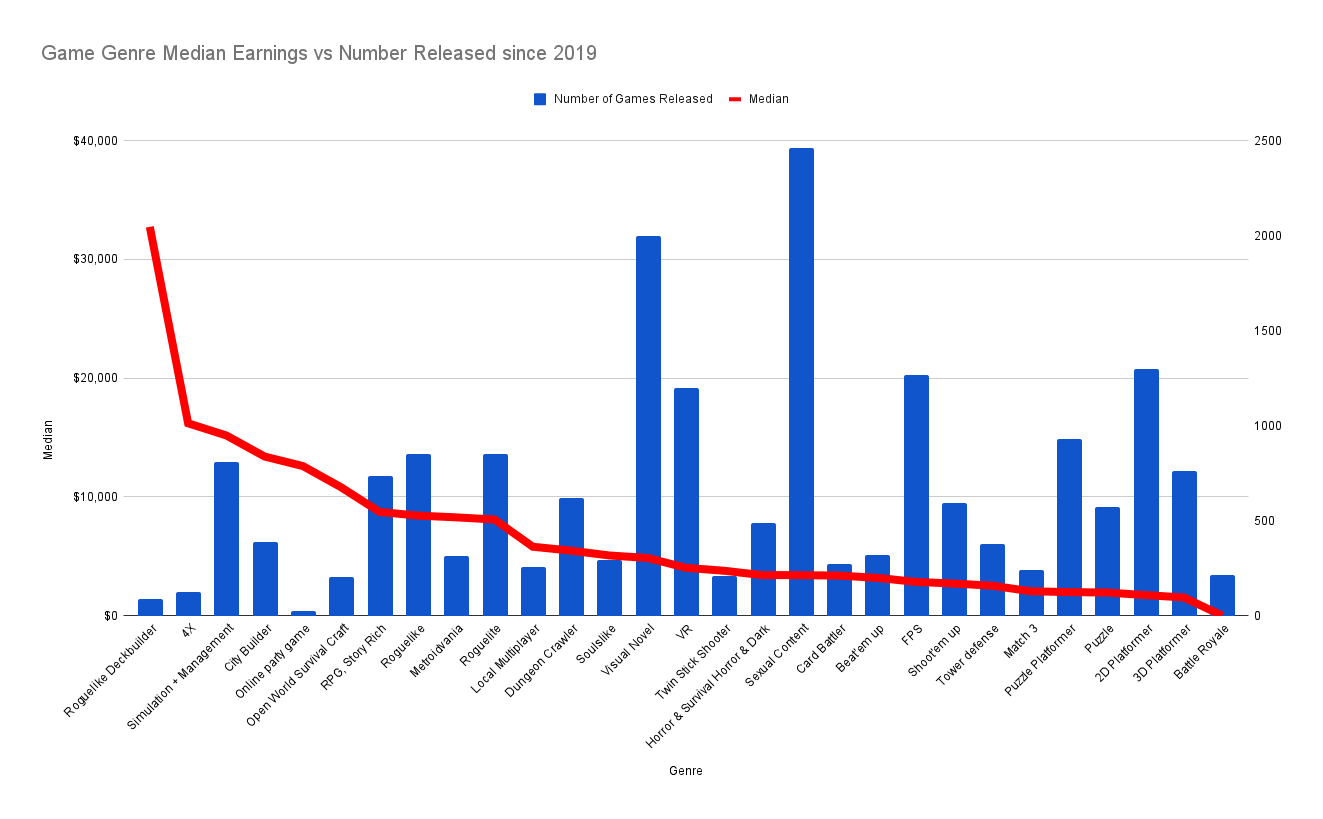
Source: HTMAG
My projects so far:
Kazakh ‘Jack: 2D Platformer.
SPHEROCIOUS: 2.5D Platformer.
Purrfect Fit: VR.
Talk about an uphill battle!
And let’s look at for some more data for reference:
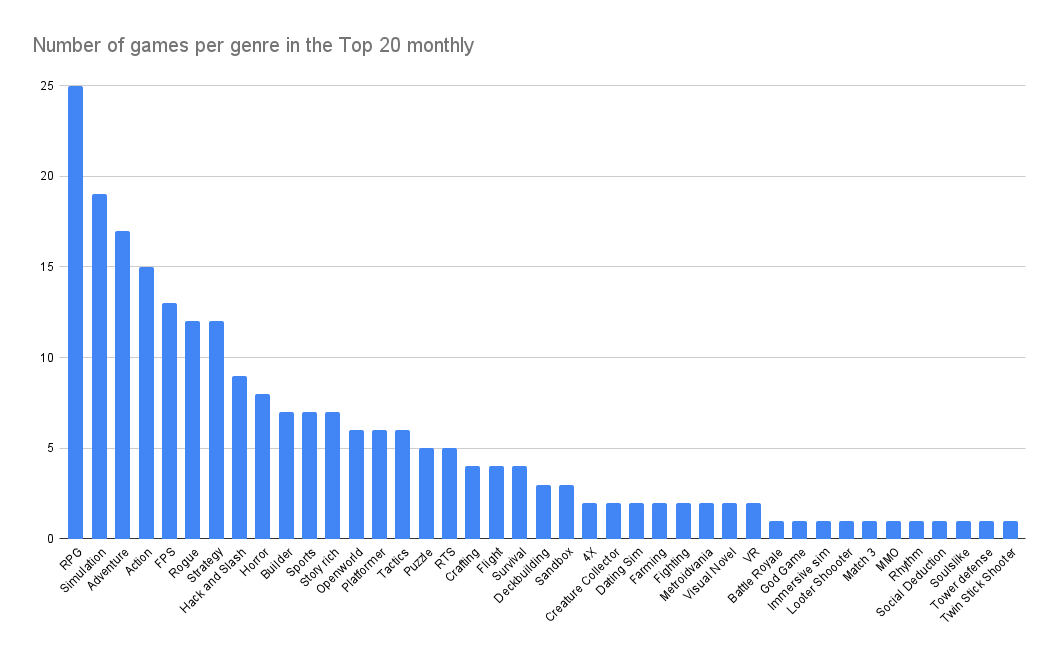
Source: HTMAG
2: Walk so that you can run
So really, it would be best for all of my projects if I could build them in the “correct” or “most logical” order: simplest to most complex.
This is what I’m calling “The Incremental Approach to Game Design.”
I’m aware this all probably sounds terribly obvious, but sometimes when you are involved in a project for a very long time your perspective can be impacted. But to put this into more direct language for my own situation, I think it would make way more sense for me to try to build a 1~3 month game that aligns with popular genres before trying to publish SPHEROCIOUS, Purrfect Fit, and the rebuild of Kazakh ‘Jack. Is this simply “chasing money” or “hopping projects,” though? No; I’d say this is much different, because I actually know much more about what goes into a full game, I’ve built a solid codebase of my own scripts and prefabs by this point, and I’m still planning on eventually completing those other games — but I’d like to build them when I’ve got more time, more funds to invest in them, and more experience. I know what true project hopping is because I was genuinely doing that when I started learning how to make games. I built a whole bunch of weird prototypes and kept changing direction soon after until I decided on building Kazakh ‘Jack, initially meant to be a 1-month project which turned into 3.
There’s also the question of timing in relation to “what are players actually looking for right now?” Since incremental games are currently selling like hot cakes, this is a perfect window of opportunity for me to try to capitalize on. If I can ship a reasonably successful project, I could actually have more time to put into the bigger projects. I’ve been working a freelance job (teaching English online) for the past 8 years, and it does take a lot of time and energy. I enjoy it, but if I want to build these other games within a reasonable amount of time, it would be much more realistic if I could actually develop games full time. And the chances of getting burnt out on a project are much lower if you can expedite the process significantly.
SPHEROCIOUS is ~95% ready for its first playtest. During this last month, I’ve integrated checkpoint systems, UI/settings menus, a save & load system, and a whole bunch of other very important functions and features. I also optimized it so that it is getting 2~3x more frames per second than before. Getting all these systems prepared has helped me realize that I could in theory develop a really focused, fun incremental game within a few months if I can reapply a lot of systems and plan out properly.
As for Purrfect Fit, I think a VR project is best saved for a bit into the future, when hopefully a lot more people will actually own VR headsets. I hope they become more affordable and more readily available (faster shipping times, more storefronts, etc.) Otherwise I’d be building for an extremely unpopular niche genre with barely any players comparatively. I’d rather do that when Iwa Interactive has more funds available. Yes, this means more waiting, but it also means the project will be much better in the long run.
I also thought it would make much more sense to refrain from adding too much more to SPHEROCIOUS during the playtesting phase since I want to get feedback before adding a bunch of new content in case there are some unexpected issues with the project in its current form. I want to know what parts players enjoy most and which are negative. Sometimes during playtesting, people will say they loved something that was, for you, an afterthought — and they might even breeze past something you put a huge effort into, barely noticing it at all. Imagine if you spent an extra month or so adding levels only to find out after that the playtesters unanimously tell you that they liked some other parts of the game and wanted more of that rather than the levels you just recently slaved away at building. In the vast majority of cases, you must use big brain tactics to create a brilliant game.
By the way, here’s a brief GIF of the UI system in progress (way more work than it looks):
“Scary Fact: A mere ~20% of companies who release one game have gone on to release a second title, and only a percentage of those a third (and so on). Mathematically speaking, it is *exceedingly* rare for a company’s truly “first” project to achieve any reasonable level of financial success. There are a lot of factors behind this, and it’s one of the big reasons releasing multiple games is practically a necessity for any company looking to stay solvent in this industry.”
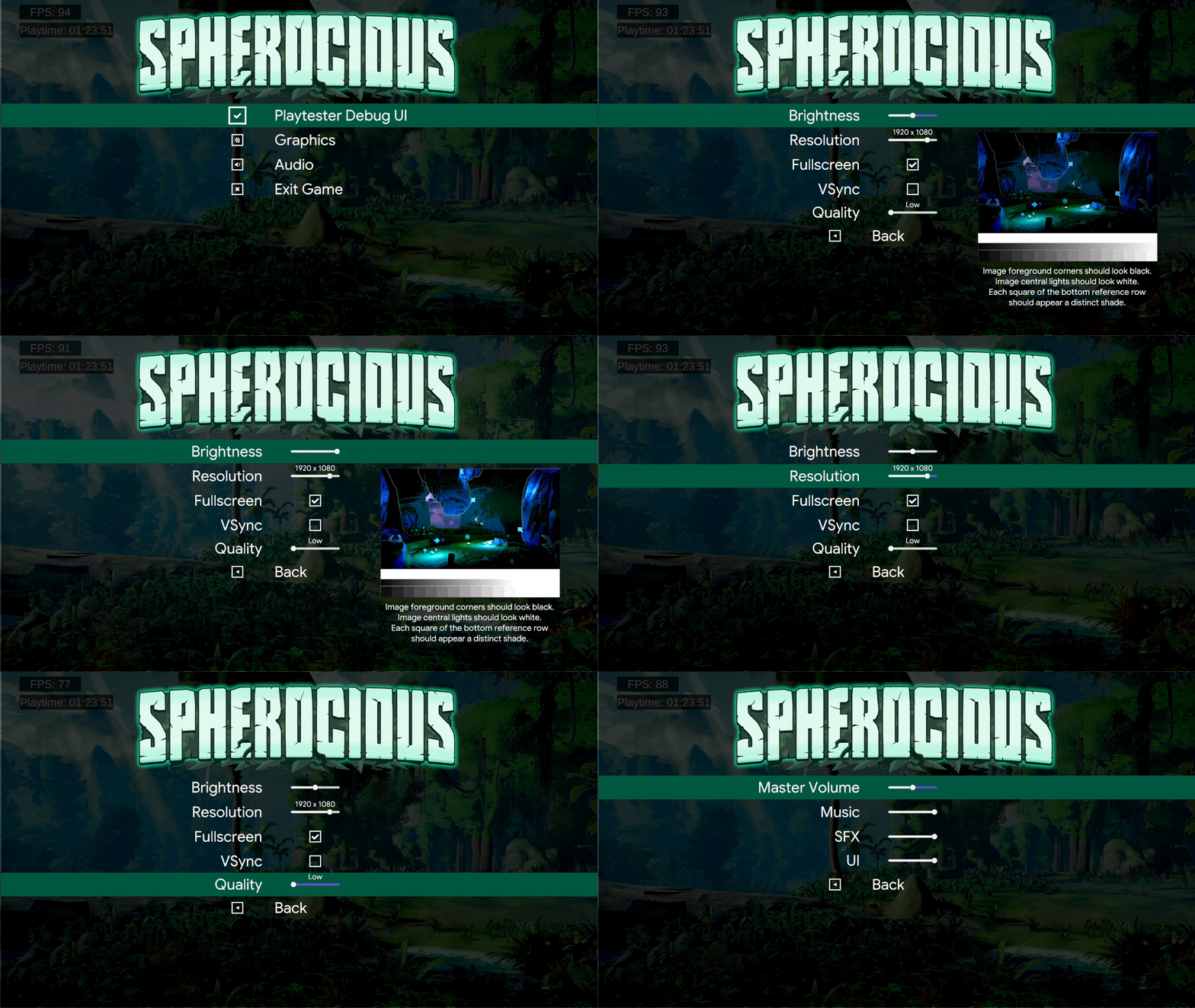
Building a good UI system is something most would expect to be easy, but developers learn how complicated they are soon after starting
So what’s the new brief game project about?
It’s kind of a secret for now.
But I can say this:
It’s in the same universe as my other games, sharing a very similar atmosphere with Kazakh ‘Jack
The plan is to combine aspects of the incremental, simulation, management, & strategy genres on a tiny scale
It’s going to be built with PC & mobile platforms primarily in mind, but with button mapping alternatives for gamepad users too
Comedy will be at the forefront…I want to genuinely enjoy building this project as much as possible
I’m hoping to start proper development of this game within the next couple weeks, as I believe the first phase of private SPHEROCIOUS playtesting will likely be active by Friday this week.
Are you playing any incremental, management, or simulation games these days? Or do you have any favorites in these genres?
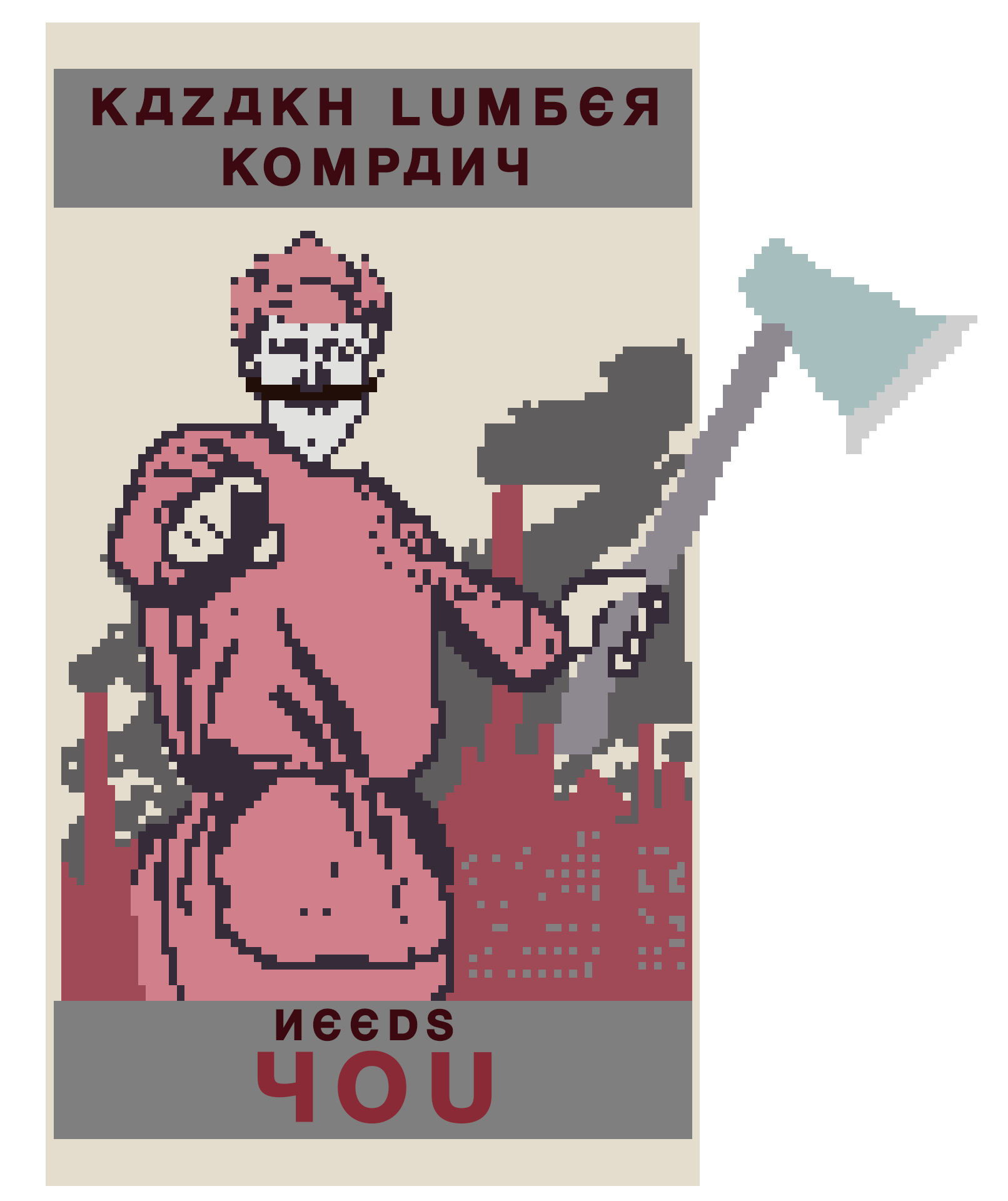
(On the topic of management: an excellent video from a long time ago that deserves more views in my opinion.)
This September 2026 update was long but timely. If you actually read through it all, you’re probably amongst the few who have a top tier attention span.
Thank you all for your ongoing support!
// Nathan AKA Mister Iwa