

The fourth Iwa monthly update
[Testing Time]
August 2026
*For mobile users: This post is best viewed in Desktop mode*
In this Monthly Update:
Scope creep
Finding your game's “timeline”
TL;DR:
The term “feature / scope creep” describes a situation in which a creative project's size grows unmonitored, which often results in excessive development time. It's crucial for game designers to keep their projects in check
Once you've reached a certain point in the design process, you'll have a better idea of how much more time would be needed to build out a game with the current “scaffolding.” This can help you decide whether to change scope
1. The great balancing act

Last month, I mentioned the idea of being cognizant of scope.
Scope creep often is the primary driver of unsuccessful projects. If you can put reigns on scope, you'll increase the chances that you'll be able to stick with it throughout its full development.
To me, being aware of this should bring up some interesting questions:
Would it be smart to try to build a project of the same length and scope as a company that was multiple times bigger and had millions of dollars worth of investments to fund its creation?
What are actually the “heaviest” features of your project that are causing its development to take as long as it is, and could those be modified?
Having seen how long it takes to build X amount of the game with its current “scaffolding,” how long would it take to ship it if you tried to build out the remainder of it? For example, suppose it took 1 month to build 15 minutes of gameplay…how much more time would you need to put together the amount of gameplay you want to include at that quality level?
You could watch hundreds of videos and read thousands of posts on forums about how scope creep was the bane of many peoples’ projects. Some developers eventually came to the realization that their projects needed to get a lot more focused and were able to escape the pull of scope creep — and those may be the ones who actually were able to overcome the hurdle of shipping their first game.
Naturally, creative people often have ideas flowing through their heads a good chunk of the time that they are working. It's very easy to think, “it would be awesome if I add this,” but once you experience the reality of making games, you quickly see how much work actually goes into the games that you were most inspired by — some of which were developed by huge teams with decades of collective experience and massive funding sources.
I've watched this video from an inspirational game developer named David Wehle tons of times, and I try to watch it every once in a while to remind myself about how to keep scope in its place.
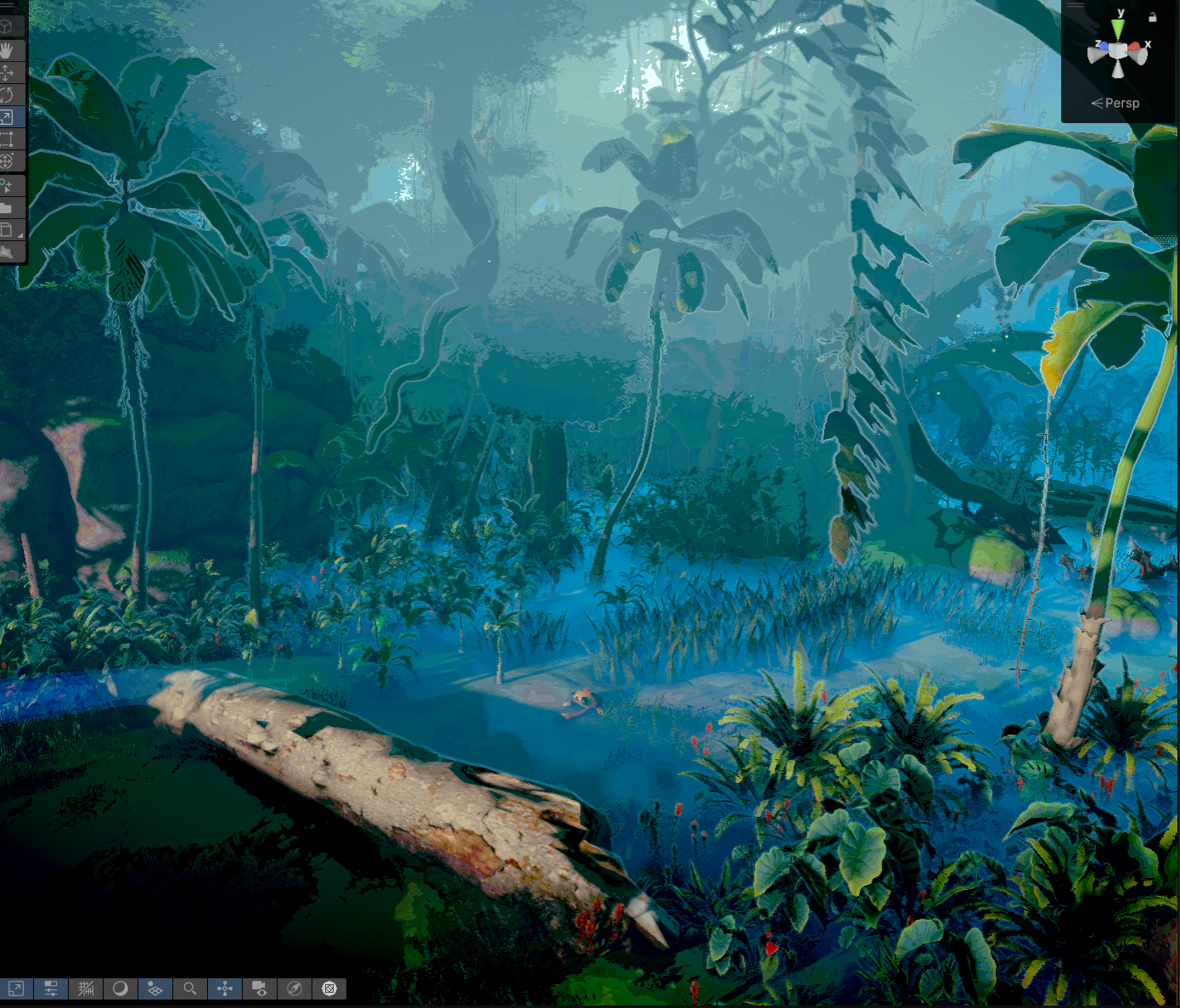
Overscoping a project can feel like getting lost in a jungle.
With this in mind, I've been thinking a fair amount about the scope of SPHEROCIOUS. I feel like I've accomplished some of the biggest goals I had for the game: graphics somewhat comparable to successful games in the genre, and gameplay that feels genuinely good. In terms of the overall size of the game, though, I think it would be smart to look at the length of inspirational titles like INSIDE & Planet of Lana (take a look at their teams/budgets for reference) and then try to keep the scope of SPHEROCIOUS to a very reasonable fraction of them. Even if the game provides, let's say, 2 hours of quality gameplay to players, I think it's great. I can price the game accordingly so players know what to expect and feel they get fair value for what they paid. In my opinion, this is realistic. To expect to be able to build a project the same size as these others within a reasonable amount of time would be hilariously immature. And really, if people actually like SPHEROCIOUS so much that they'd enjoy more, I could someday make a sequel or expansion(s).
And so, I think the best path forward for SPHEROCIOUS is to build out levels with quality emphasized drastically over quantity — I want every area of the game to feel almost like a polished diamond. But always remember: in terms of art, “perfection” is relative.
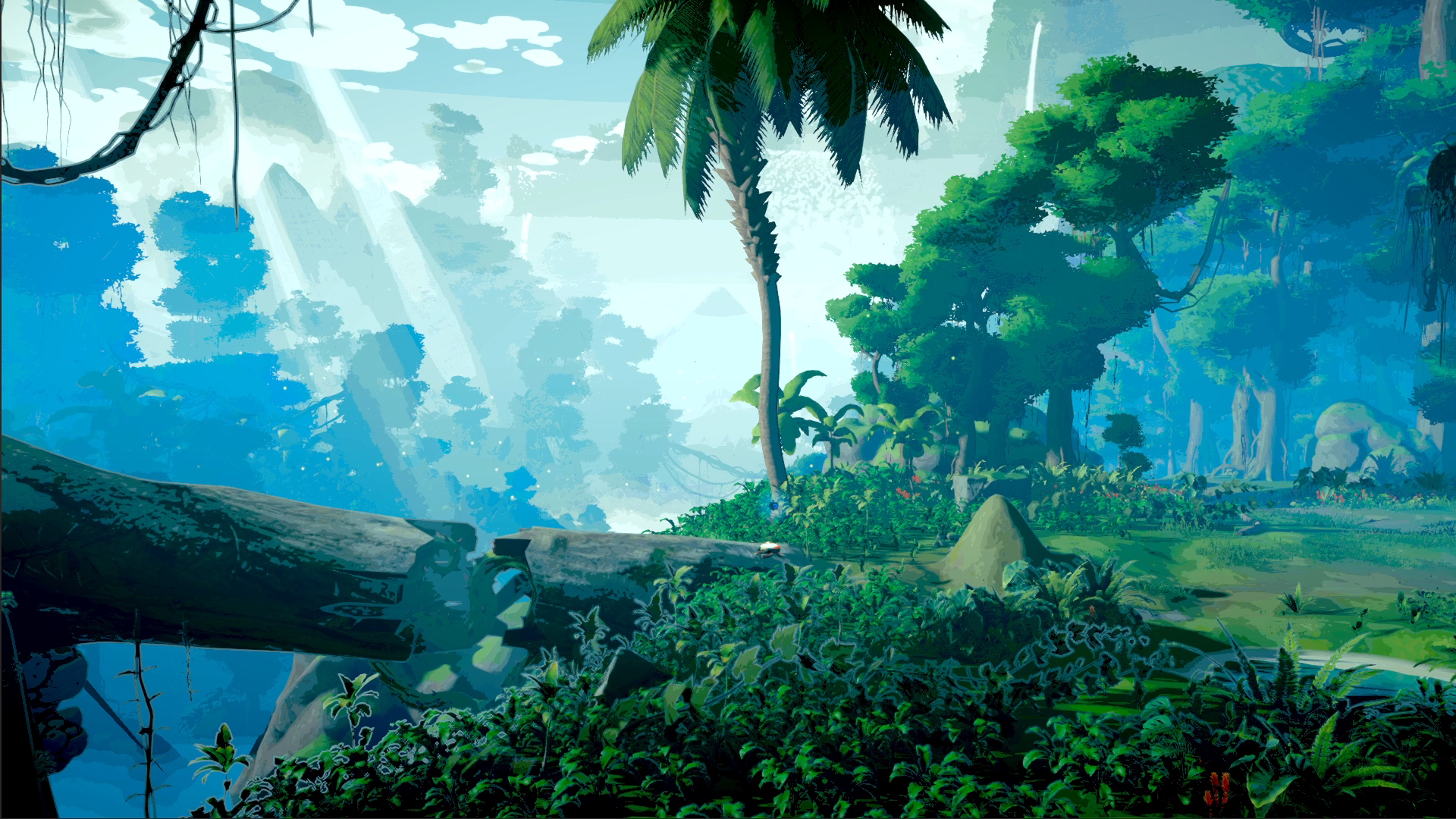
I’ve reworked this area so many times, but I eventually realized that a “perfect” version of this scene could exist in plenty forms.
2: Scaffolding scope
When I say “scaffolding” here, what am I talking about? I would define it like this: "Game scaffolding is essentially the base (code, systems, infrastructure) on which your project is built, which is determined once you've moved past the prototyping phase.” By the point you've found this scaffolding, you can basically paste objects around to build out levels and create more for players to experience as if you were using a game's level editor. You've already written most of the game's core scripts, set most of the important systems up, and imported the vast majority of important assets you will need by this point.
So, once you've got the scaffolding in place and built out some levels/stages, you should be able to estimate how much time would be needed to build X amount of gameplay worth. And that is how you can really accurately find the suitable scope for your game.
With SPHEROCIOUS, I've found that adding any new feature usually takes 2 ~3 times longer than expected. So I've been thinking carefully about how much more I want to add and which portions of the game I might want simplified.
Having said all that, the loose plan for SPHEROCIOUS is as follows:
Prepare a playable sample for Steam (planning on doing private playtesting before this)
Steam NextFest (October or February, maybe?)
A very casual Kickstarter campaign (setting the funding goal very low so the campaign runs almost like a simulation of “flexible” campaigns seen on other platforms in the crowdfunding industry, informing backers openly that the crowdfunding isn't “necessary” for development but will definitely help and be appreciated).
An additional way you can support the development is to…
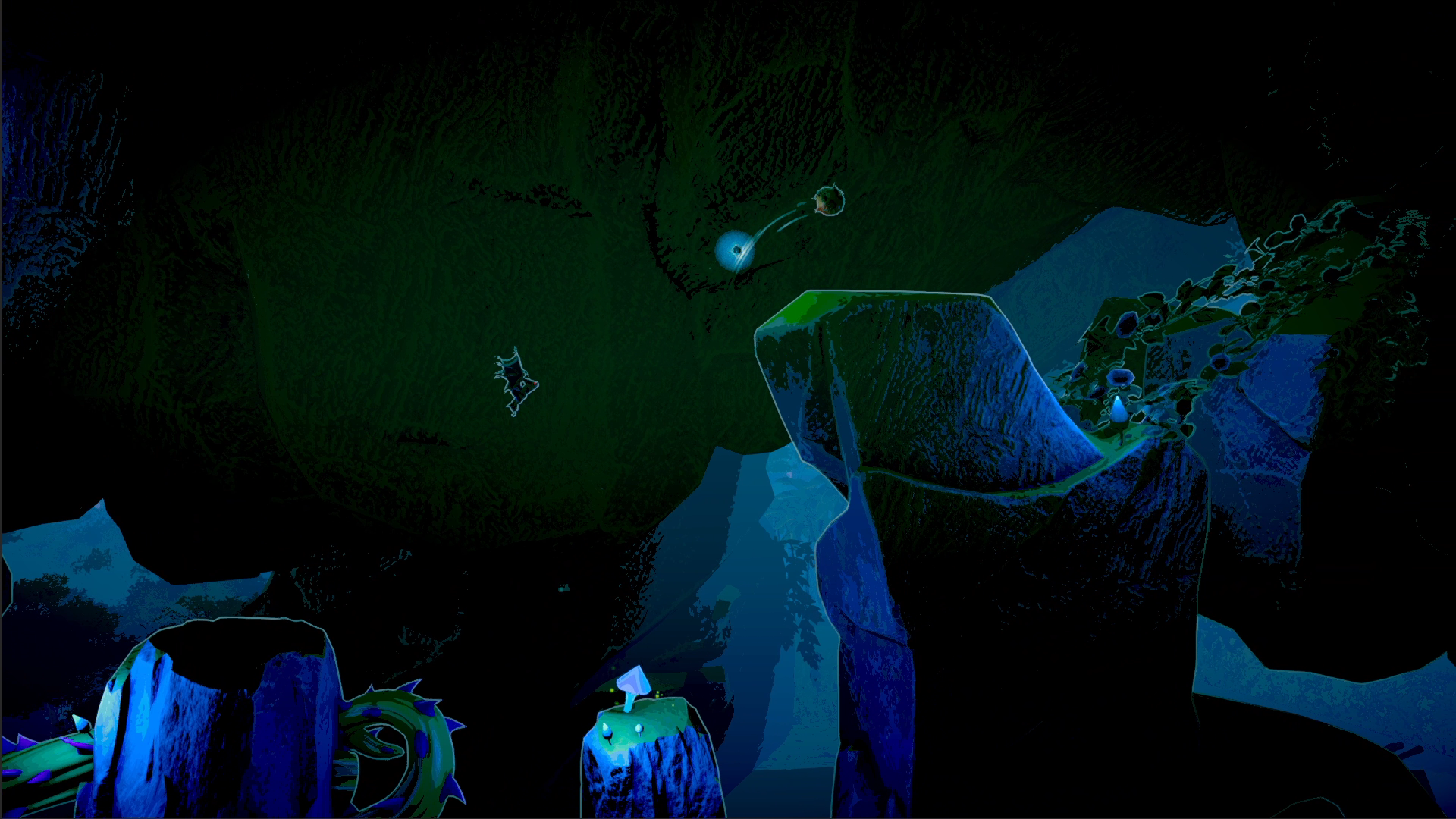
Adding in a new NPC can carry with it loads of work: movement, interactions, collisions, detection, animations, SFX, etc.
Have you ever faced the issue of scope creep?
I'd like to hear your story. Email or message me!

(By the way, one of the people I've been inspired by since childhood was the famous Steve Irwin. I recently found a brief video about his ethical views and mission. If you're into nature [and its preservation] like I am, you might enjoy it too.)
I hope you enjoyed the August 2026 update.
Thank you all for your ongoing support!
// Nathan AKA Mister Iwa